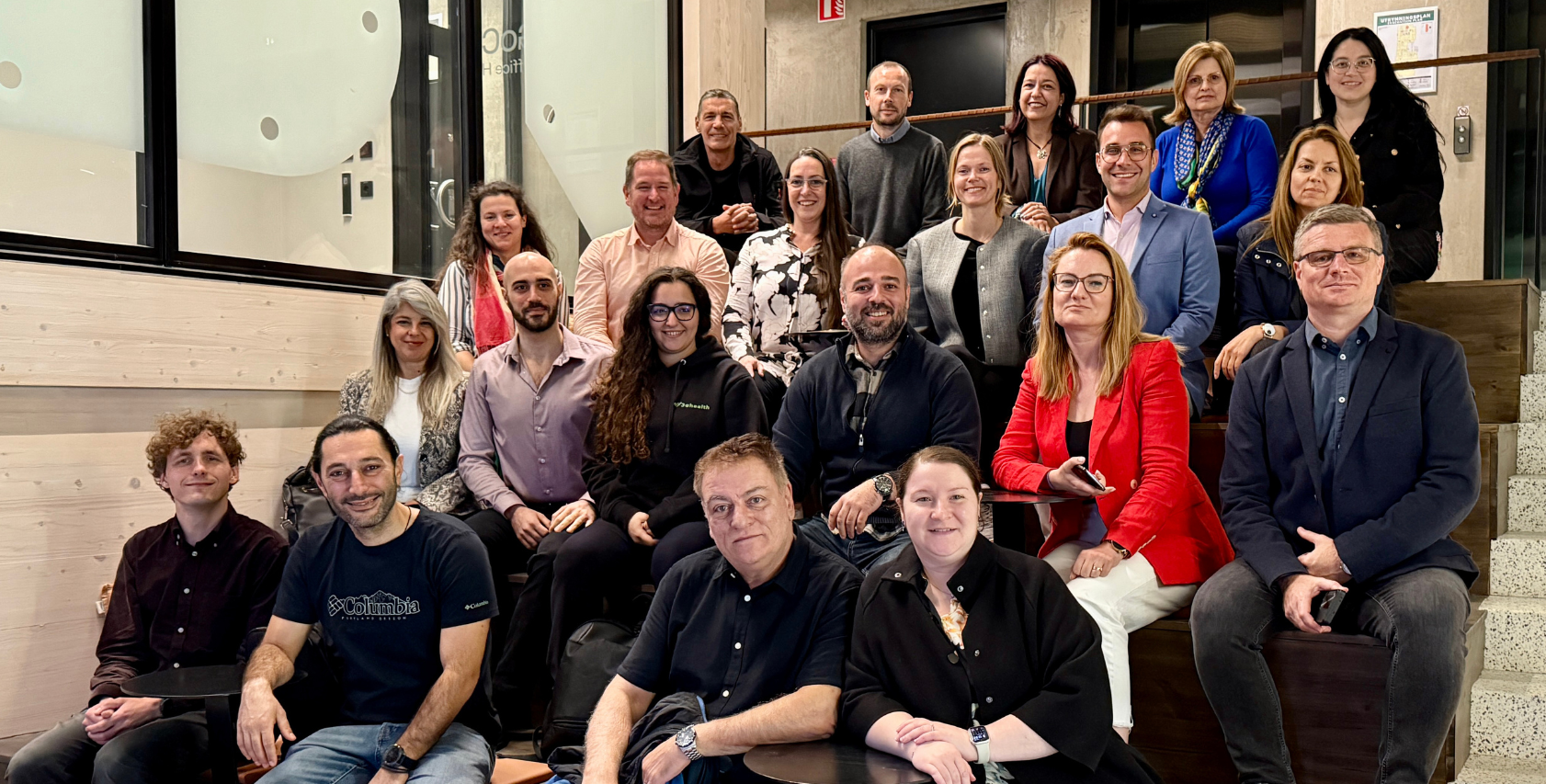
The European project VELES continues to make steady progress towards the creation of the first Regional Smart Health Data Space (RSHDS) in Europe. Comprising 15 organisations from seven countries, including Inneürope, the consortium is working to position Southeast Europe as a reference point in digital health innovation.
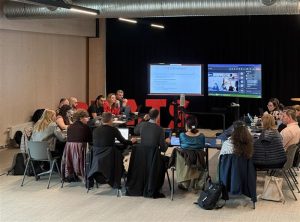
The most recent General Assembly, held in Gothenburg (Sweden) on 24–25 June 2025, marked a key moment to outline new strategies and launch concrete initiatives aimed at accelerating the transition towards a more connected, interoperable and data-driven healthcare system.
Within this context, Inneürope presented a new methodology based on open innovation, designed to directly activate the startup and scaleup ecosystems in Bulgaria, Romania, Greece and Cyprus. The proposal, positively received by the consortium, will serve as the foundation for a forthcoming Open Call, currently in development.
An Open Call to transform health challenges into tangible solutions
The model is built around the identification of real-world health data challenges, defined by hospitals, insurers or public health authorities. In response to these challenges, entrepreneurs and startups from the target countries will be mobilised to develop and validate proofs of concept (PoCs) in real-life settings, supported by the consortium.
During the Assembly, the importance of a joint mobilisation of all project partners was emphasised, both in promoting the call and in engaging key stakeholders across the participating countries. At Inneürope, we welcome the consortium’s support and reaffirm our commitment to a collaborative and impact-oriented innovation model that positions VELES as a catalyst for the digital transformation of Europe’s healthcare systems.
Inneürope: leading open innovation for digital health
Through this new initiative, Inneürope strengthens its role as a driver of innovation within the VELES project, championing applied methodologies that connect talent, data and practical solutions. Our objective is clear: to contribute to the development of a smarter, more inclusive and future-ready digital health ecosystem.

This project is co-funded by the European Union under the Horizon Europe research and innovation programme, project grant agreement no. 101087483. Views and opinions expressed are however those of the author(s) only and do not necessarily reflect those of the European Union or the European Education and Culture Executive Agency (EACEA). Neither the European Union nor EACEA can be held responsible for the